Sensitive Skin: The Cellular Science of Calming Neuro-Reactivity and Restoring the Lipid Barrier
Understanding stratum corneum hyper-permeability, extinguishing sub-clinical inflammation, and achieving cutaneous peace with High Atlas botanical lipids.
Melouke Team
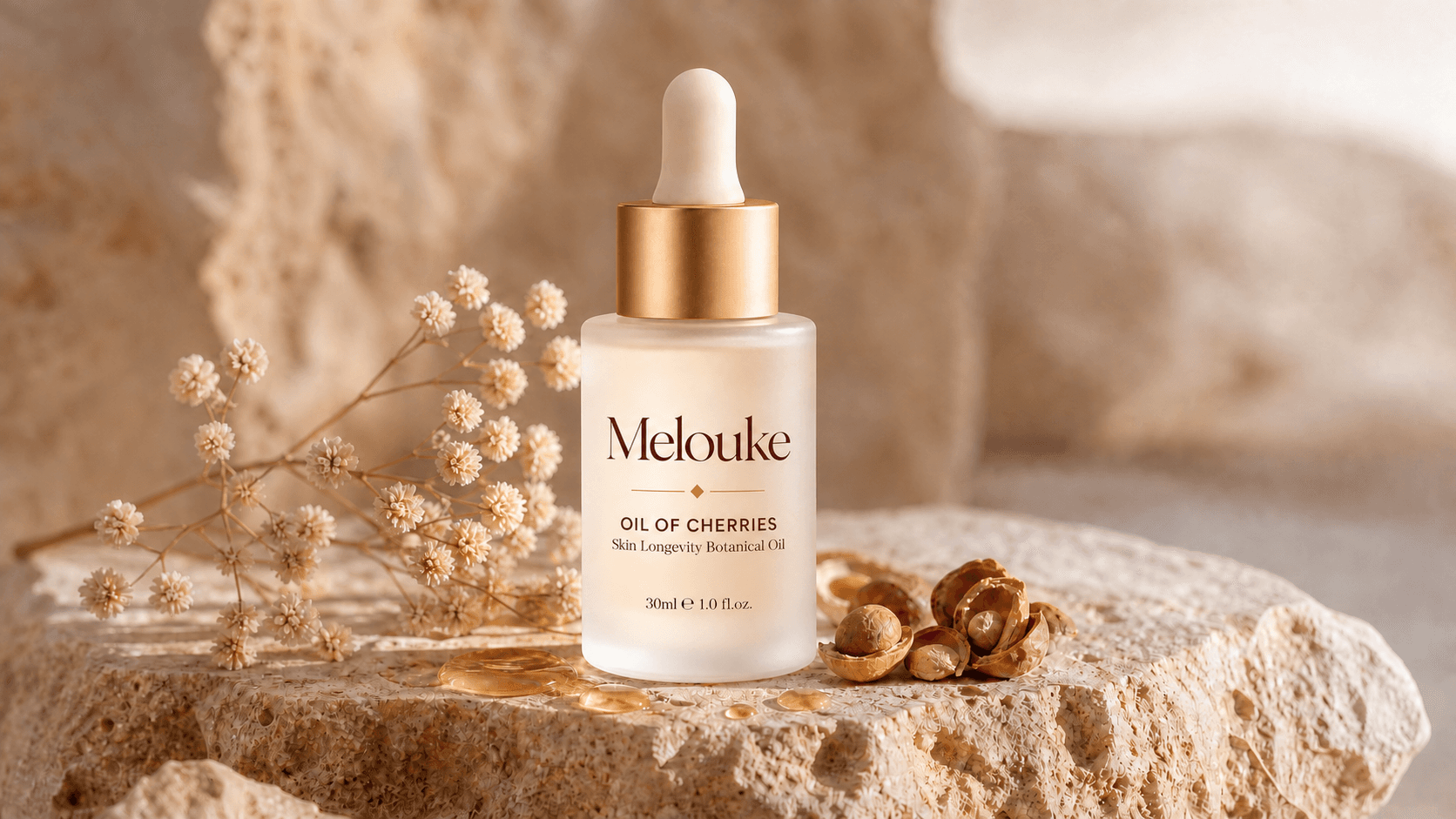
Melouke combines cold-pressed cherry seed oil with a Signature Botanical Complex in an 80/20 skincare formula.
Quick Summary in 30 Seconds (Direct Answer)
Sensitive skin can react to many ingredients and environmental factors. A simple routine suited to individual needs may help maintain skin comfort. Melouke combines 80% cold-pressed cherry seed oil with 20% Signature Botanical Complex; sensitive skin users should review the full ingredient list and patch-test before use.
Core Scientific Findings on Sensitive Skin
- Sensitive skin suffers from depleted lamellar lipid bilayers and hyper-excitability of unmyelinated epidermal nerve endings.
- Conventional creams contain synthetic emulsifiers and antimicrobial preservatives that perpetuate low-grade sub-clinical micro-inflammation.
- Native phytosterols in wild High Atlas cherry kernels operate as biomimetic anti-inflammatory agents without inducing skin thinning.
- A three-step non-occlusive botanical ritual restores the cutaneous tolerance threshold within one physiological cycle (28 days).
1. The Pathophysiology of Sensitive Skin: When the Outer Wall Breaches
Sensitive skin is defined by neuro-vascular hyper-reactivity and structural barrier compromise rather than being an unalterable skin type. In healthy tissue, corneocytes within the stratum corneum are enveloped in an orderly lamellar matrix of ceramides, free fatty acids, and cholesterol, which retains essential moisture and blocks external antigens.
In individuals with sensitive skin, this intercellular mortar is fractured. Microscopic fissures accelerate transepidermal water loss (TEWL) and grant environmental irritants direct access to the deeper epidermal layers. These foreign molecules activate transient receptor potential (TRPV1) channels located on unmyelinated sensory C-fibers, sending false alarms of burning, stinging, and tight discomfort to the central nervous system.
Attempting to soothe this distress with multi-ingredient cosmetic emulsions laden with synthetic thickeners, preservatives, and penetration enhancers only exacerbates the neurogenic inflammatory loop.
« Sensitive skin does not require more chemical formulations; it requires the immediate cessation of irritants and the delivery of bio-compatible lipid nutrition. »
2. The High Atlas Mountain Advantage: Bio-Adaptive Lipids Born at 1,300 Meters
Perched in the High Atlas mountain valleys at 1,300 meters, wild cherry trees withstand punishing thermal shifts, fierce mountain winds, and extreme ultraviolet exposure. To shield its vulnerable seed from cellular degradation, the plant synthesizes potent protective phyto-actives, as detailed in our monograph on the facial benefits of cherry kernel oil.
When cold-pressed in single batches without thermal processing or chemical solvents, the resulting oil presents an exceptional lipid architecture rich in plant sterols (beta-sitosterol), native tocopherols, and the conjugated isomer alpha-eleostearic acid. These biomimetic plant lipids match the natural composition of human sebum, sliding smoothly between deficient corneocytes to reconstruct the lamellar barrier.
The naturally occurring phytosterols in cherry seed oil function as plant-derived anti-inflammatory modulators: they down-regulate pro-inflammatory cytokines and dampen sensory nerve hyperactivity, bringing immediate and enduring comfort to reactive skin.
3. Why Mass-Market Formulas Perpetuate Sensitive Skin Cycles
Most commercial creams claiming to be formulated for sensitive skin are oil-in-water emulsions composed of 75% to 80% water. Because water creates a breeding ground for microorganisms, manufacturers must add potent synthetic biocides and preservatives such as phenoxyethanol, parabens, or formaldehyde-releasers.
Furthermore, the emulsifiers required to bind water and oil remain active on the skin surface. Upon subsequent cleansing or sweating, these surfactants emulsify and wash away the skin’s own natural protective lipids—trapping sensitive skin in a vicious cycle of persistent barrier damage.
Melouke combines 80% cold-pressed cherry seed oil with 20% Signature Botanical Complex. Adopting a pure, minimalist routine as outlined in our botanical skin care guide prevents chronic lipid stripping.
4. The Melouke Protocol for Calming Sensitive and Hyper-Reactive Skin
To extinguish cutaneous neuro-reactivity and rebuild a resilient moisture barrier, adopt a strict 28-day elimination and restoration protocol:
The Sovereign Calming Protocol:
- 1Eliminate Chemical Aggressors: Discontinue harsh chemical exfoliants and synthetic retinoids in favor of a soothing botanical retinol alternative, avoiding foaming cleansers, and fragranced formulations.
- 2Hydrate with Pure Hydrosols: Mist clean skin with pure botanical floral water or thermal water, avoiding friction from abrasive towels.
- 3Seal with High-Altitude Lipids: While the skin is still dewy, warm 2 to 3 drops of Melouke Oil of Cherries in your palms and press gently into the face and neck until fully absorbed.
Comparative Analysis: Caring for Sensitive Skin
A dermatological evaluation comparing Melouke pure cold-pressed cherry oil against standard soothing creams.
| Physiological Metric | Melouke High Atlas Pure Cherry Oil | Standard Commercial Sensitive Cream |
|---|---|---|
| Neurogenic Inflammation Calming | Immediate bio-modulation via native phytosterols and eleostearic acid | Temporary surface cooling, often followed by preservative-induced stinging |
| Formulation Purity & Allergy Risk | 80% cherry seed oil, 20% Signature Botanical Complex | Complex formula with 25+ chemical agents and potential cross-reactivity |
| Lipid Barrier Restoration | Biomimetic integration directly into the intercellular matrix | Occlusive film-forming action using mineral oils or silicones |
| Microbiome Preservation | Maintains skin flora diversity and native acidic pH (5.5) | Antimicrobial preservatives risk disturbing beneficial commensal bacteria |
Frequently Asked Questions: Sensitive Skin & Botanical Lipids
How does High Atlas cherry seed oil help calm sensitive skin?
Atlas cherry seed oil is concentrated in biomimetic phytosterols, natural Vitamin E, and essential omegas (including rare alpha-eleostearic acid). These bio-identical lipids directly patch the micro-tears in the stratum corneum, locking in cellular water and dampening the inflammatory cytokine cascade that causes redness and stinging.
Is this oil suitable for sensitive skin that is also acne-prone?
Yes. High Atlas cherry seed oil has a comedogenic rating of zero (0/5) and a lightweight, fast-absorbing texture. It does not congest pores or create an occlusive mask, instead helping regulate sebum quality and soothe underlying micro-inflammation.
Why do sensitive skin types often experience stinging from conventional creams?
Stinging is typically caused by synthetic preservatives, emulsifiers, and penetration enhancers penetrating an already compromised lipid barrier and directly irritating exposed sensory nerve endings.
How quickly can I expect sensitive skin to calm down?
Surface comfort and reduced tightness are felt upon first application. Full repair of the intercellular lipid matrix and re-establishment of the skin’s baseline tolerance threshold occurs over 21 to 28 days, matching the natural cellular renewal cycle.
Melouke High Atlas Oil of Cherries · 30ml
Single cold-pressed at high altitudes to soothe, fortify, and protect sensitive and reactive skin.
Order Sensitive Skin ElixirMelouke Team
Maison Melouke is dedicated to publishing peer-grounded dermatological and phytochemical insights, championing physiological skin care without synthetic compromises.
From the Botanical Journal
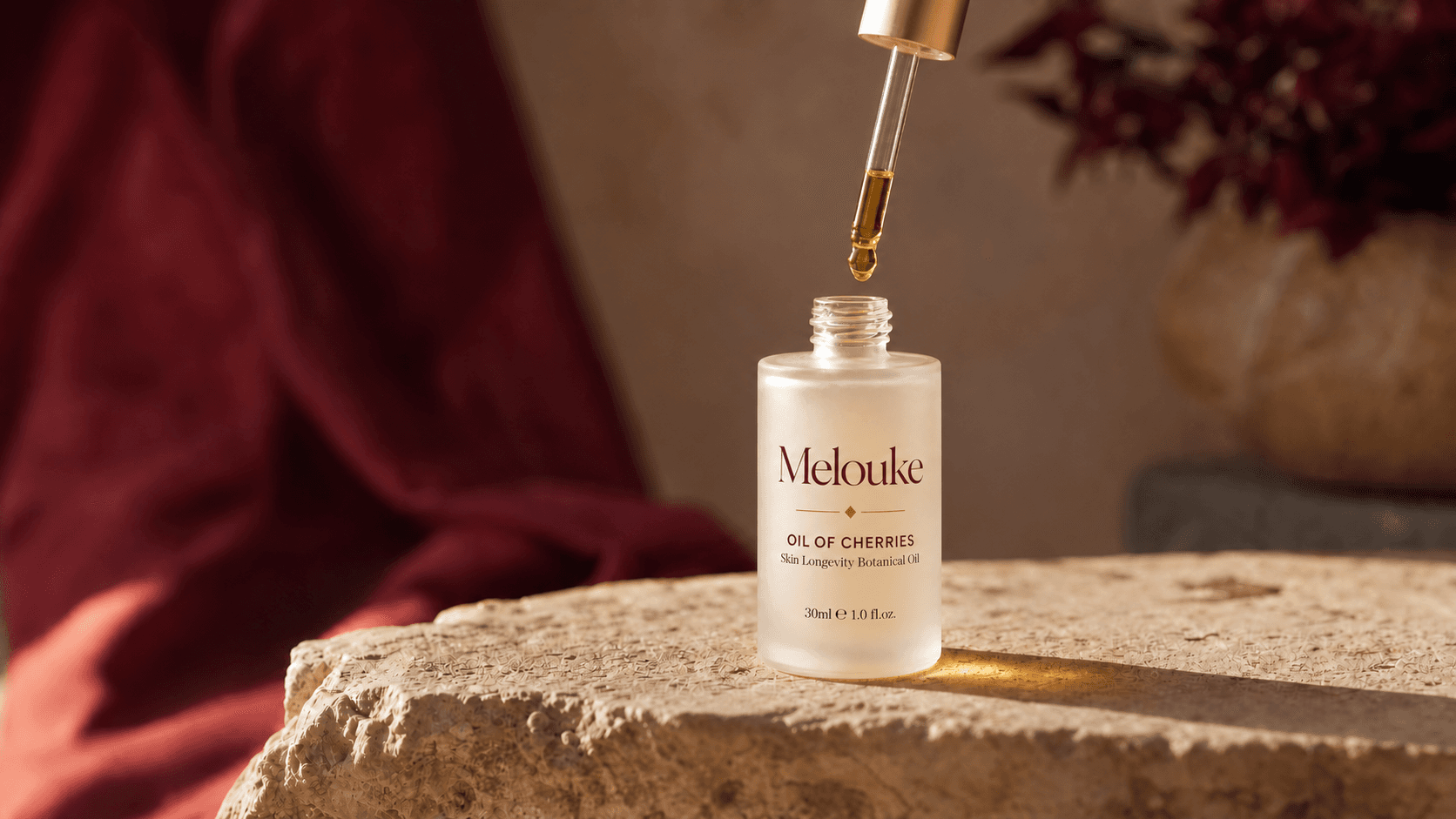
Skin Care: Restoring Cutaneous Longevity with High-Altitude Botanical Lipids
In an era of overly formulated skincare products, human skin thrives on physiological simplicity. An in-depth dermatological exploration of pure botanical lipids from the High Atlas.
Read study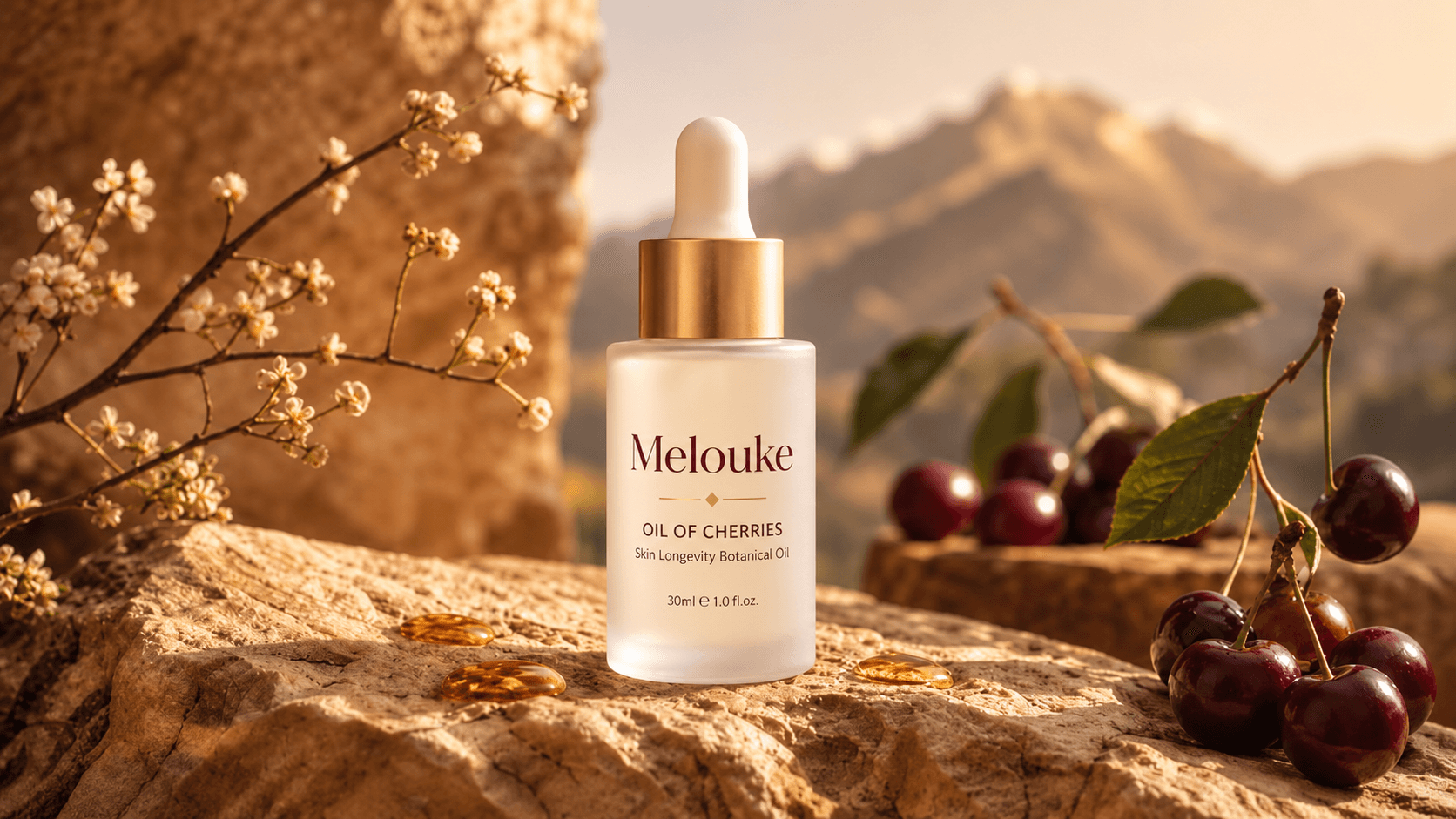
The Facial Benefits of High Atlas Oil of Cherries: Cellular Renewal & Sovereign Radiance
Celebrated for centuries among high-altitude mountain communities and now validated by modern lipidology, cold-pressed cherry kernel oil stands out as one of nature’s most complete facial elixirs. A deep biochemical analysis of its rejuvenating power.
Read study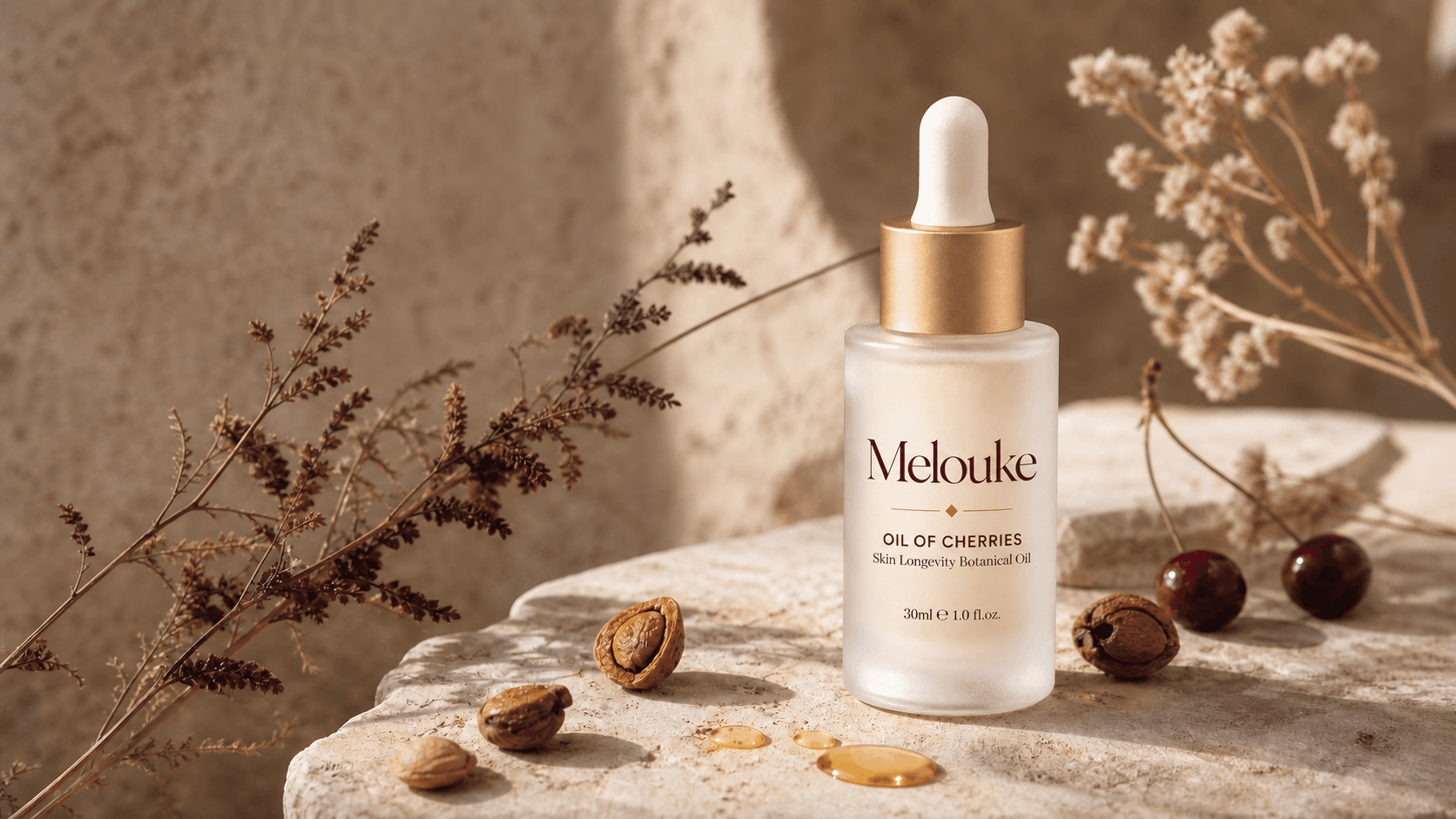
The Botanical Alternative to Retinol: Boosting Collagen & Smoothing Lines Without Skin Barrier Damage
While synthetic retinol promises rapid cellular turnover, it frequently triggers chronic peeling and sub-clinical inflammation that compromises the skin barrier. A phytochemical breakdown of pure botanical lipids for sovereign collagen renewal.
Read study